
 Sobre
Sobre
 Termos
 Privacidade
The History of Valentine’s Day: From Ancient Rituals to Modern Romance

The History of Valentine’s Day: From Ancient Rituals to Modern Romance
Valentine’s Day, celebrated every year on February 14, is widely known as a day of love, romance, and heartfelt gestures. But behind the chocolates, roses, and greeting cards lies a fascinating history that stretches back thousands of years. The story of Valentine’s Day blends ancient traditions, religious legends, and evolving cultural customs.
Let’s take a closer look at how this global celebration of love began.
Ancient Roots: The Festival of Lupercalia
The origins of Valentine’s Day can be traced back to ancient Rome. In mid-February, Romans celebrated a pagan festival called Lupercalia, held from February 13 to 15. This festival was dedicated to fertility and the coming of spring.
During Lupercalia:
-
Priests would perform rituals believed to promote fertility.
-
Young men and women were sometimes paired through a lottery system.
-
Celebrations included feasting and festivities.
Although Lupercalia was not directly about romantic love, it did involve themes of pairing and fertility, which later influenced Valentine’s traditions.
Who Was Saint Valentine?
The name “Valentine” comes from one (or possibly more) Christian martyrs named Valentine who lived during the Roman Empire. The most popular legend tells the story of a priest named Valentine who lived in the 3rd century.
According to tradition:
-
Emperor Claudius II banned marriages for young men because he believed single men made better soldiers.
-
Valentine secretly performed marriages for couples in love.
-
When discovered, he was imprisoned and eventually executed on February 14.
Another legend suggests that while in prison, Valentine wrote a letter to a young woman, signing it “From your Valentine”—a phrase still used today.
While historians debate the accuracy of these stories, they helped shape Valentine’s Day into a celebration of romantic love.
The Church and the Shift to a Christian Holiday
By the 5th century, the Christian Church sought to replace pagan festivals like Lupercalia. February 14 was declared St. Valentine’s Day, honoring the martyr.
Over time, the romantic elements of the holiday grew stronger, especially in medieval Europe.
The Middle Ages: Romance Blossoms
In the Middle Ages, people in England and France believed that February 14 marked the beginning of birds’ mating season. This idea strengthened the connection between the date and romance.
The famous poet Geoffrey Chaucer wrote about Valentine’s Day in the 14th century, linking it with romantic love. From then on:
-
Lovers began exchanging handwritten notes.
-
The concept of choosing a “valentine” became popular.
By the 17th and 18th centuries, exchanging love notes was common across Europe.
The Rise of Valentine’s Cards and Commercialization
In the 1800s, printed Valentine’s cards became popular, especially in England and the United States. Improvements in printing technology and cheaper postage made sending cards easier.
By the early 20th century:
-
Mass-produced greeting cards were widely available.
-
Chocolates, flowers, and gifts became part of the tradition.
-
Companies began marketing Valentine’s Day as a romantic shopping holiday.
Today, Valentine’s Day is a multi-billion-dollar industry celebrated worldwide.
Valentine’s Day Around the World
Different countries celebrate Valentine’s Day in unique ways:
-
In Japan, women traditionally give chocolates to men on February 14, and men return the favor on “White Day” in March.
-
In Finland and Estonia, February 14 is known as “Friend’s Day,” celebrating friendship as well as romance.
-
In some Latin American countries, it is called “Day of Love and Friendship.”
The holiday has evolved to include not only couples but also friends, family members, and even self-love.
Modern Valentine’s Day
Today, Valentine’s Day is about more than just romantic partners. People celebrate by:
-
Giving cards, flowers, and chocolates
-
Planning romantic dinners
-
Posting heartfelt messages on social media
-
Celebrating friendships and family bonds
While it has become commercialized, the core message remains the same: expressing love and appreciation for the people who matter most.
Final Thoughts
Valentine’s Day has journeyed from ancient fertility festivals to secret marriages, medieval poetry, and modern-day celebrations of love. Its history is a blend of legend, religion, and cultural evolution.
Whether you celebrate with a partner, friends, family, or simply by practicing self-love, Valentine’s Day is a reminder that love—of all kinds—has always been worth celebrating.
Categorias
Leia Mais
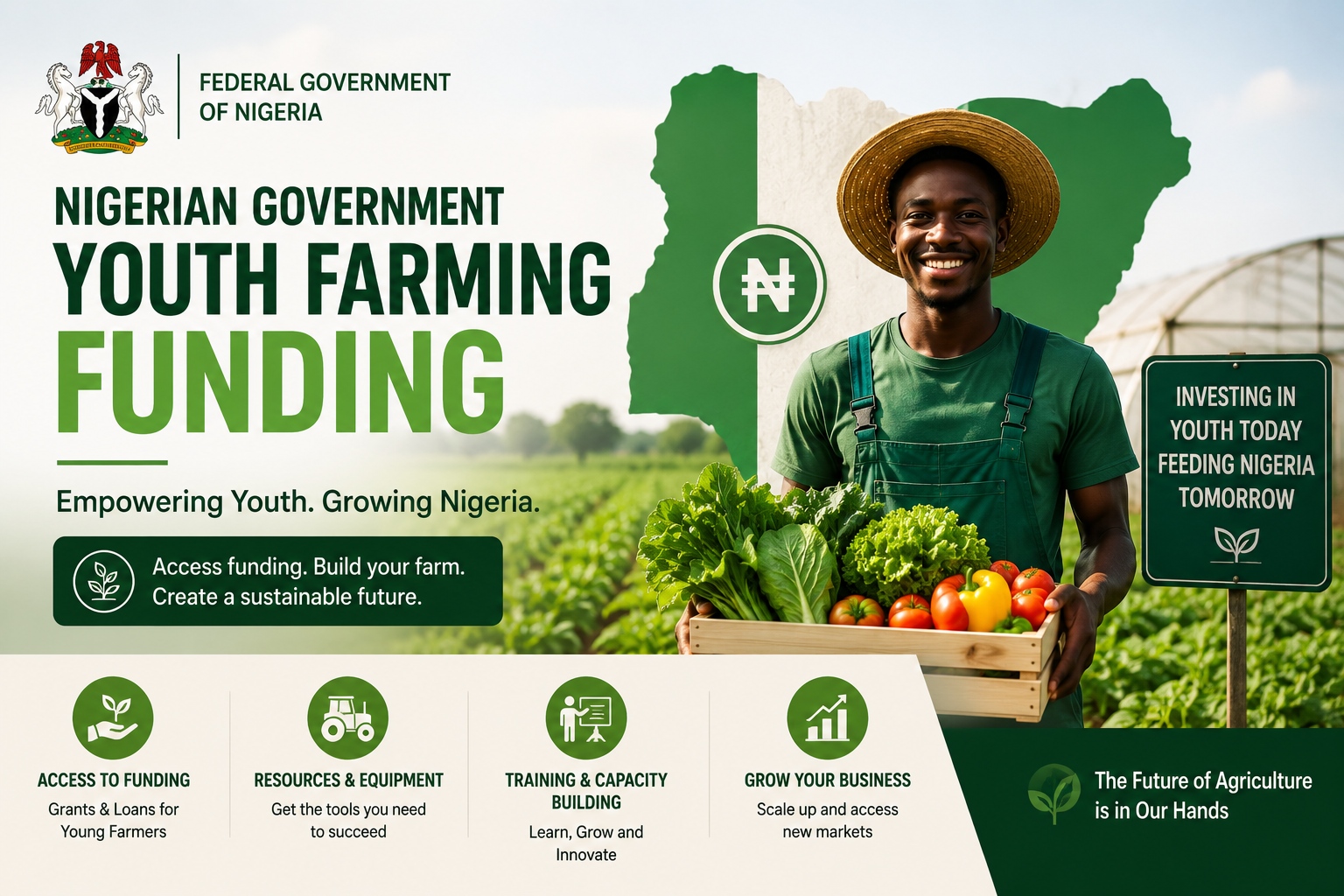
Nigerian Government Youth Farming Funding: Opportunities for the Next Generation of Agripreneurs Empowering Young Nigerians Through Agriculture Agriculture remains one of the most promising sectors for job creation, food security, and economic growth in Nigeria. Recognizing the potential of young people to transform the agricultural landscape, the Nigerian government has introduced...
How to Get a Nigerian Visa in 2026: Complete Application Guide & Visa-Free Countries Published by ASKJBOSS.COM Travelling to Nigeria in 2026? Whether you're visiting for tourism, business, work, study, or to see family and friends, understanding Nigeria's visa requirements can save you time and avoid unnecessary delays. In this guide, you'll learn: Who needs a Nigerian visa How to apply...

🌍 The World from Now to 2030: What Changes Are Likely to Shape Our Future? The years leading up to 2030 will bring some of the most important changes humanity has ever experienced. Technology, climate, business, education, and global relationships are evolving faster than at any time in history. What we see today is only the beginning. In this article, we explore what is likely to change in the...

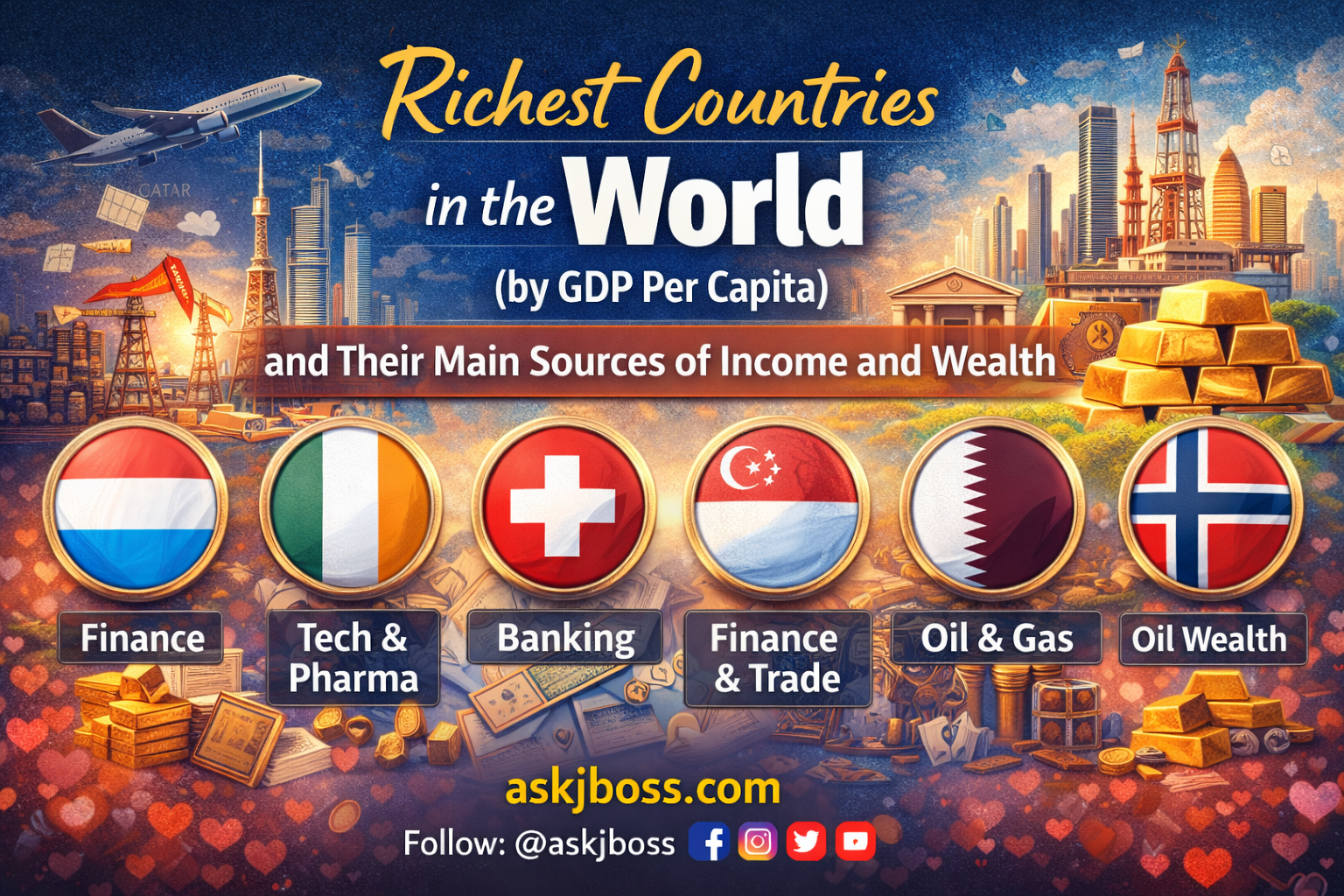
Here are some of the richest countries in the world (by GDP per capita) and their main sources of income and wealth: 🇱🇺 Luxembourg Main Sources of Income: International banking & financial services Investment funds Steel industry (historically) EU institutional presence Luxembourg is one of the world’s leading financial centers, attracting global investors and multinational...
📱 The Most Important Things to Know About TikTok TikTok has become one of the most powerful social media platforms in the world, with over a billion users creating, sharing, and discovering content every day. What started as a short-video app for fun and entertainment has now turned into a serious platform for business, education, and personal branding. Whether you are a creator, business...