
 About
About
 Voorwaarden
 Privacy
Nigeria's ₦1,300 Per Litre Petrol Reality: How Rising Fuel Prices Are Reshaping the Economy
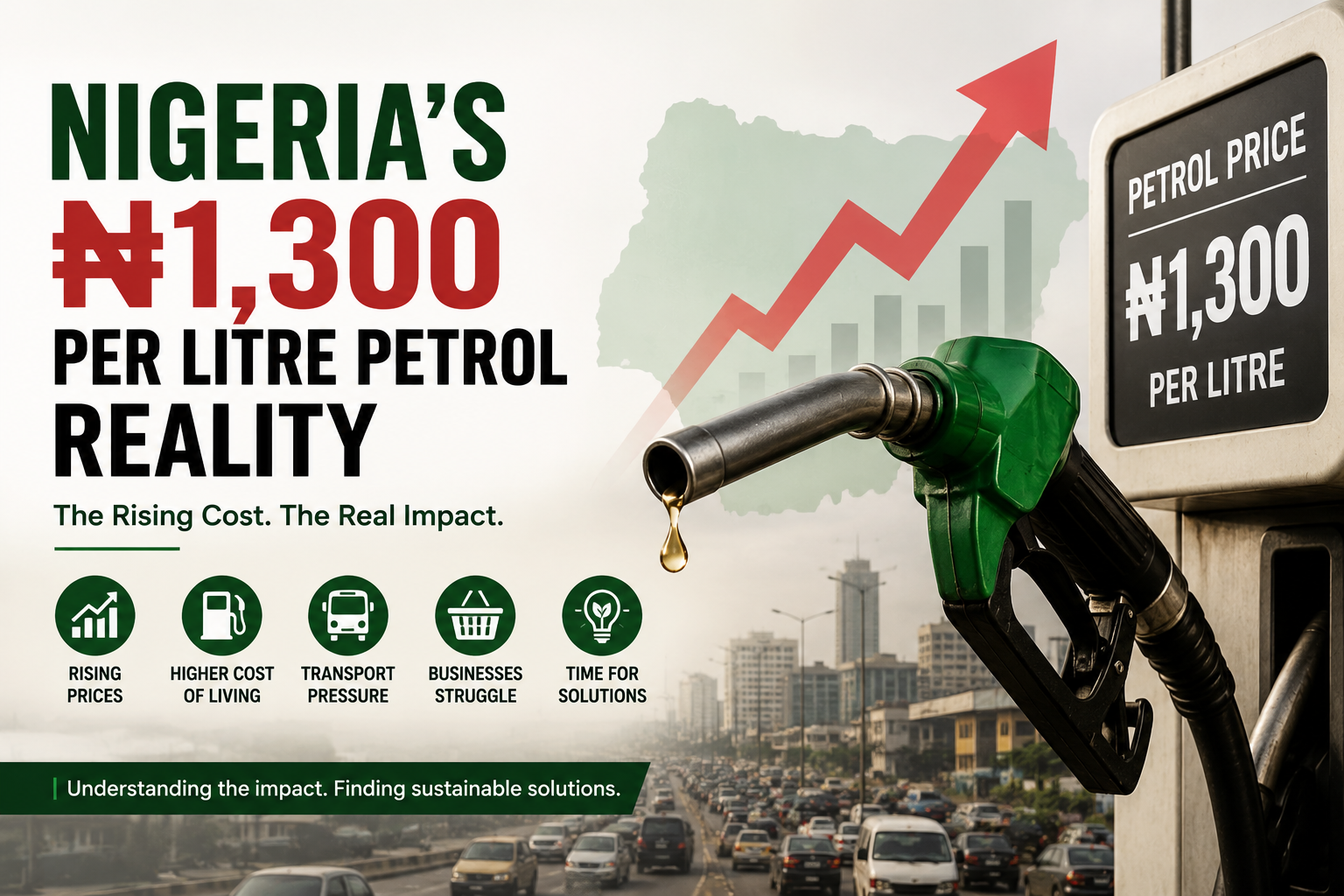
Nigeria's ₦1,300 Per Litre Petrol Reality: How Rising Fuel Prices Are Reshaping the Economy
Introduction
The sharp rise in petrol prices to approximately ₦1,300 per litre has become one of the most significant economic challenges facing Nigerians today. For millions of households, businesses, and commuters, the increase has translated into higher living costs, reduced purchasing power, and growing concerns about economic stability.
As fuel remains central to transportation, power generation, and business operations, the effects of rising petrol prices extend far beyond filling stations.
Why Petrol Prices Have Increased
Several factors have contributed to the increase in fuel prices across Nigeria, including:
-
Removal of fuel subsidies.
-
Exchange rate fluctuations and naira depreciation.
-
Rising global crude oil and refined petroleum costs.
-
Increased transportation and distribution expenses.
-
Dependence on imported refined petroleum products.
These developments have significantly altered the pricing structure of fuel across the country.
Impact on Nigerian Households
For many families, transportation expenses have doubled or even tripled within a short period. Daily commuters now spend a larger portion of their income on getting to work, school, and other essential activities.
The increase in fuel costs has also contributed to higher prices for:
-
Food items
-
Consumer goods
-
School transportation
-
Healthcare services
-
Rent and utility expenses
As businesses pass increased operating costs to consumers, inflationary pressures continue to affect household budgets nationwide.
Businesses Under Pressure
Small and medium-sized enterprises (SMEs) are among the hardest hit by rising petrol prices. Many businesses rely on fuel-powered generators due to inconsistent electricity supply.
The consequences include:
-
Higher production costs.
-
Reduced profit margins.
-
Increased product prices.
-
Staff downsizing in some sectors.
-
Slower business expansion plans.
Many entrepreneurs are now exploring alternative energy sources such as solar power to reduce long-term operating costs.
Transportation Sector Challenges
Commercial transport operators have repeatedly adjusted fares upward in response to higher fuel prices. This has affected:
-
Inter-state travel
-
Urban transportation
-
Logistics and delivery services
-
Agricultural supply chains
The resulting increase in transportation costs impacts nearly every sector of the economy.
Opportunities Amid the Challenge
While the current situation presents significant difficulties, it has also accelerated discussions around:
Alternative Energy
The high cost of petrol is encouraging investment in:
-
Solar energy solutions
-
Electric mobility
-
Compressed Natural Gas (CNG) vehicles
-
Energy-efficient technologies
Local Refining Capacity
The development of local refining infrastructure could help reduce Nigeria's dependence on imported fuel products and improve long-term price stability.
Innovation and Entrepreneurship
Businesses are increasingly adopting digital solutions, remote work models, and cost-saving technologies to remain competitive in a high-cost environment.
The Way Forward
Addressing the impact of rising fuel prices requires coordinated efforts from government, private sector stakeholders, and citizens. Investments in local refining, renewable energy, transportation infrastructure, and economic diversification will be critical to reducing vulnerability to future fuel price shocks.
Conclusion
The reality of petrol selling for around ₦1,300 per litre marks a significant turning point for Nigeria's economy. While the immediate effects are challenging for households and businesses alike, the situation also highlights the urgent need for sustainable energy solutions, economic reforms, and innovative approaches that can help build a more resilient future.
As Nigerians adapt to this new reality, the decisions made today will shape the country's economic landscape for years to come.
Suggested SEO Title: Nigeria's ₦1,300 Per Litre Petrol Crisis: Economic Impact on Households and Businesses
Suggested Meta Description: Explore how Nigeria's petrol price increase to ₦1,300 per litre is affecting households, businesses, transportation, inflation, and the wider economy.
Categorieën
Read More
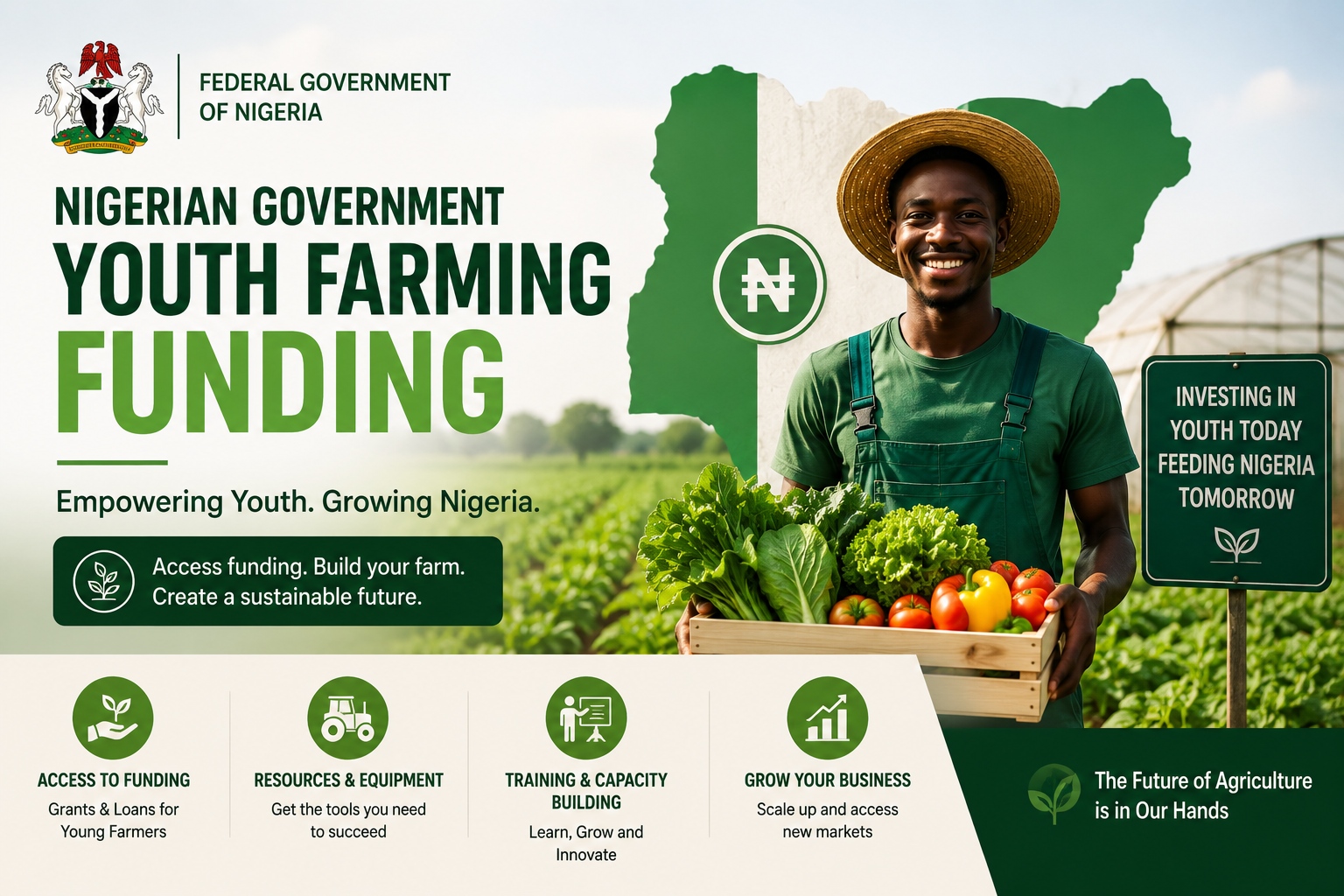
Nigerian Government Youth Farming Funding: Opportunities for the Next Generation of Agripreneurs Empowering Young Nigerians Through Agriculture Agriculture remains one of the most promising sectors for job creation, food security, and economic growth in Nigeria. Recognizing the potential of young people to transform the agricultural landscape, the Nigerian government has introduced...
SportyBet Nigeria: A Leading Name in Nigeria's Sports Entertainment Industry Discover how SportyBet Nigeria became a recognized name in Nigeria's sports entertainment industry and how technology is transforming the fan experience. Nigeria is home to one of Africa's most passionate sports fan bases, and over the years, digital sports entertainment platforms have grown significantly...

💡 How to Make Money with AI: Practical Ways Anyone Can Start Today Artificial Intelligence (AI) is no longer just for big tech companies. Today, AI has become one of the most powerful tools for individuals, freelancers, and entrepreneurs to generate income online. Whether you are a student, business owner, or content creator, AI offers endless opportunities to make money smarter and faster. In...

Peller: From TikTok Star to Africa’s Streaming Sensation Everything you need to know about his life, rise, influence, and journey 🌍 Who Is Peller? Peller, whose real name is Habeeb Hamzat (also spelled Hamzat Habeeb Adelaja), is a Nigerian online streamer, content creator, and social media influencer who rose to global prominence through platforms like TikTok and YouTube. He was...

📱 The Most Important Things to Know About TikTok TikTok has become one of the most powerful social media platforms in the world, with over a billion users creating, sharing, and discovering content every day. What started as a short-video app for fun and entertainment has now turned into a serious platform for business, education, and personal branding. Whether you are a creator, business...