Key Takeaways
- Organised labour maintains its ₦500,000 minimum wage demand, which JNPSNC National Secretary Gbenga Olowoyo said reflects workers’ rising living costs.
- Olowoyo said the Federal Government agreed to pay workers ₦70,000 monthly transport support for six months, starting in November, following six-hour talks.
- Olowoyo said labour remained open to reasonable negotiations and hoped to conclude minimum wage talks before the transport support ends in April 2027.
Organised labour has reaffirmed its demand for a ₦500,000 minimum wage, insisting the figure reflects the financial pressure Nigerian workers face amid the rising cost of living.
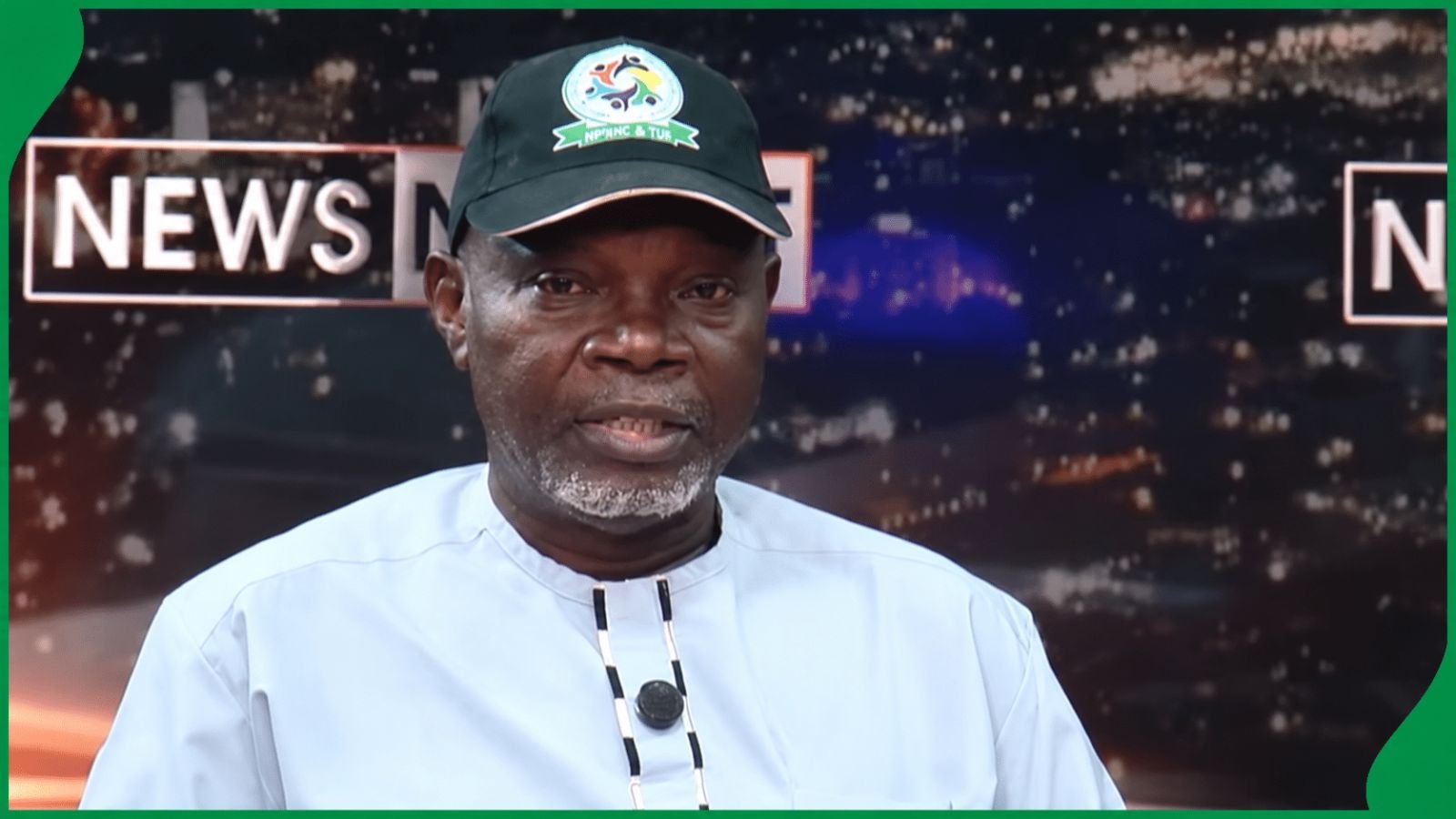
Naija News reports that the National Secretary of the Joint National Public Service Negotiating Council (JNPSNC), Gbenga Olowoyo, said this during an Arise News interview on Tuesday.
He, however, said labour was open to reasonable negotiations with the Federal Government to arrive at an acceptable figure.
Olowoyo spoke after a six-hour meeting between organised labour and the Federal Government on workers’ welfare and measures to cushion the effects of rising petrol prices.
He welcomed the government’s agreement to pay workers ₦70,000 in monthly transport support for six months, beginning in November.
“I think with the recent development that happened today, the negotiation lasted over six hours, and with the outcome of the meeting, I think it is a good omen,” he said.
The labour leader explained that the intervention would cover workers at all levels, including grassroots workers, following concerns over soaring transport costs and the impact of higher fuel prices on household budgets.
Olowoyo stressed that the ₦70,000 support was only a temporary relief while talks on a new minimum wage continued.
“The template of ₦500,000 is still subsisting. And at the same time, if government is able to dance around ₦500,000, we would be alright to support the President. So I want to believe that, as I told you, we are not going to be rigid, but at the same time, we’ll be reasonable,” he said.
He explained that the proposed wage accounted for workers’ responsibilities, including feeding their families, paying school fees, and meeting other basic needs.