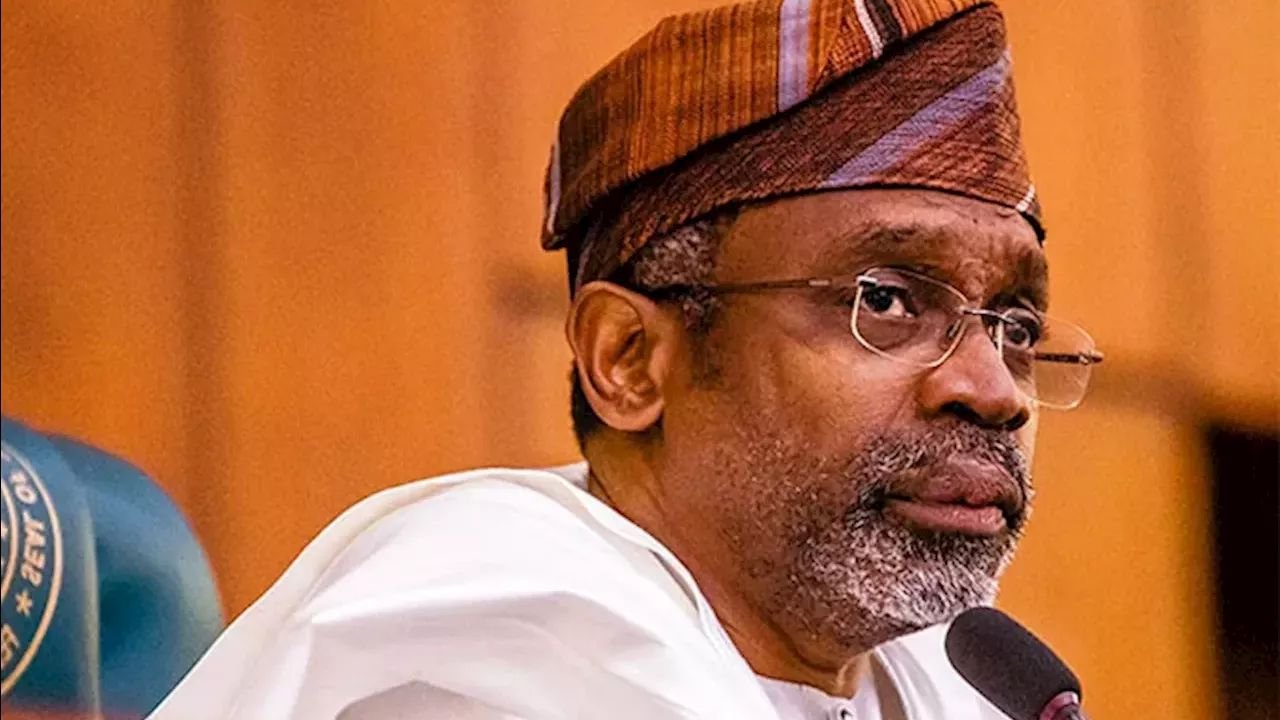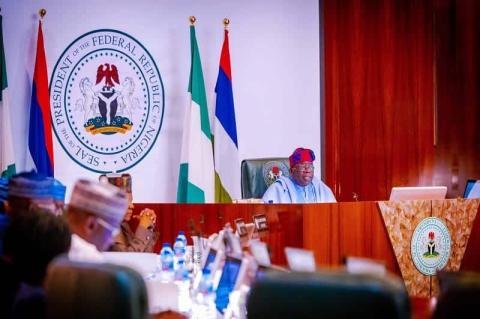
The Presidency has asked Nigeria’s organised private sector to develop practical proposals for financing and implementing the proposed state police system, saying businesses have a role in strengthening security institutions that protect investments and support economic activity.
Chief of Staff to the President, Femi Gbajabiamila, made the call during a plenary session on “Security, Stability and Economic Resilience” at the 32nd Nigerian Economic Summit in Abuja on Monday, October 27. Gbajabiamila, who chairs the Presidential Working Group on the National Policing Bill, tasked the Nigerian Economic Summit Group, chambers of commerce and business associations with developing proposals on financing, institutional management and accountable partnerships.
He said insecurity was imposing costs on businesses through disrupted supply chains, delayed factory expansions, abandoned investments and lost employment opportunities. According to him, President Bola Tinubu’s commitment to establishing state police presents an opportunity for the private sector to contribute ideas and expertise towards building effective security institutions.
“I therefore ask the Nigerian Economic Summit Group to carry this engagement beyond our meeting. Bring forward a considered private sector contribution on financing and implementing state police, with practical proposals for accountable partnerships. Take that work into the legislative process and into your engagement with state governments,” he said. Gbajabiamila urged business leaders to engage governors and lawmakers and contribute their experience in institutional management, expenditure control and risk assessment.
He also asked them to identify security challenges preventing otherwise viable investments from proceeding. The chief of staff, however, warned that private sector support must be transparent and must not compromise the independence of police institutions. He said contributions towards communications infrastructure, equipment maintenance and financial planning should be subject to public disclosure and independent scrutiny.
“Where businesses provide resources, those contributions need published accounts and independent scrutiny. Public funding must remain dependable, and a donation must never purchase influence over an investigation or preferential treatment,” he said. Gbajabiamila stressed that states seeking to establish police services must demonstrate that they can finance them sustainably, beyond purchasing vehicles, uniforms and other equipment. He said states would also need to make provision for salaries, professional training, operational costs and maintenance.
According to him, failure to meet those obligations could leave police institutions vulnerable to private influence and unlawful demands on citizens. He assured participants that federal policing would continue in states that are not financially or institutionally ready to establish their own services. Providing an update on the reform, Gbajabiamila said 24 State Houses of Assembly had approved the proposed constitutional amendment for state police as of October 23, meeting the required two-thirds threshold.
He added that the Presidential Working Group submitted the draft National Policing Bill and 29 consequential amendment bills to the Federal Ministry of Justice on October 19 for legislative review. According to him, the proposals will be presented to President Tinubu for approval after the review and final consideration, before being transmitted to the National Assembly.
Gbajabiamila explained that the proposed framework would allow willing and capable states to take greater responsibility for local security, while federal policing would continue to cover interstate crimes and specialised national security operations. He said the reform was intended to address a situation in which state governments are expected to respond to insecurity without corresponding control over policing. He argued that bringing policing closer to communities could improve local intelligence gathering and emergency response.